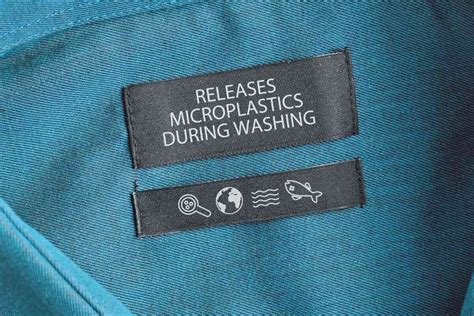
Microplastics in clothing are an often-overlooked environmental issue that is rapidly gaining attention. While many people focus on plastic waste in oceans and packaging, fewer realise that everyday garments are a major source of microscopic plastic pollution. From the clothes we wear to how we wash them, synthetic fabrics are quietly contributing to a growing global problem.
What Are Microplastics in Clothing?
Microplastics in clothing refer to tiny plastic fibres shed from synthetic textiles such as polyester, nylon, acrylic, and elastane. These fibres are extremely small—often less than 5 millimetres in size—and are released into the environment during regular wear and especially through washing.
Each time synthetic garments are laundered, thousands of microfibres can break loose and enter wastewater systems. Due to their size, many of these particles pass through filtration systems and eventually make their way into rivers, oceans, and even drinking water supplies.
How Do Clothes Release Microplastics?
The main source of microplastics in clothing is the washing process. Friction, heat, and water agitation cause synthetic fibres to loosen and detach from fabrics. Older garments or lower-quality materials tend to shed more fibres, but even high-end clothing is not immune.
Drying clothes, especially in tumble dryers, can also contribute to fibre release, although some of these particles may be captured in lint filters. However, the majority released during washing flows directly into water systems, making laundry one of the biggest contributors to microplastic pollution from households.
Environmental Impact of Microplastics
Microplastics in clothing have a significant impact on ecosystems. Once these fibres enter waterways, they are consumed by marine life, including fish, shellfish, and plankton. Over time, this can disrupt food chains and harm biodiversity.
Additionally, microplastics can absorb toxic chemicals from their surroundings, acting as carriers for pollutants. Microplastics have been detected throughout the environment and in many organisms. Researchers are continuing to investigate what long-term exposure may mean for ecosystems and human health, and there are still important uncertainties.
Microplastics have also been found in soil and air, meaning their impact is not limited to oceans. This widespread presence raises concerns about long-term environmental and health consequences.
Why Synthetic Fabrics Are So Popular
Despite the issue of microplastics in clothing, synthetic materials remain widely used. They are affordable, durable, lightweight, and versatile, making them ideal for everything from sportswear to fast fashion.
Polyester, for example, is one of the most common fabrics globally due to its moisture-wicking properties and resistance to wrinkles. However, its plastic-based composition is a major contributor to microfibre pollution.
The rise of fast fashion has further increased the demand for synthetic textiles, leading to higher production rates and, consequently, more microplastic shedding.
How to Avoid Microplastics in Clothing
The simplest way to avoid microplastics in clothing is to reduce the amount of synthetic fabric you buy. Polyester, nylon, acrylic and elastane are all plastic-based fibres and can shed tiny fragments during wear and washing.
You don’t necessarily need to throw away synthetic clothes you already own. In fact, continuing to use clothing you already have may make more environmental sense than replacing an entire wardrobe. Instead, you can gradually choose more natural fibres when buying new garments.
Some practical ways to reduce microplastic shedding include:
Choose more natural fibres. Look for cotton, wool, linen and other plant- or animal-based materials where practical. These materials can still shed fibres, but those fibres are not plastic.
Check clothing labels. A garment that looks or feels natural can still contain polyester, nylon or elastane. Check the fibre percentages before buying.
Wash clothes less frequently. If something isn’t dirty or smelly, it may not need washing after every wear.
Use cooler, gentler wash cycles. Less aggressive washing may help reduce wear on synthetic fibres.
Wash full loads. Clothes can rub against each other more aggressively in a partially empty machine.
Consider a microfibre-catching device. Laundry bags and washing machine filters are designed to trap some fibres before they enter wastewater.
Air-dry when practical. Tumble drying can also release fibres, so line drying may help reduce unnecessary fabric wear.
Which Fabrics Contain the Most Microplastics?
Synthetic fabrics are made partly or entirely from plastic polymers, so these are the fabrics to be most aware of.
| Fabric | Plastic-based? | Can shed microplastic fibres? |
|---|---|---|
| Polyester | Yes | Yes |
| Nylon | Yes | Yes |
| Acrylic | Yes | Yes |
| Elastane/Spandex | Yes | Yes |
| Fleece | Usually polyester | Yes |
| Cotton | No | No plastic fibres* |
| Linen | No | No plastic fibres* |
| Wool | No | No plastic fibres* |
*Natural fabrics can still release textile fibres, but the fibres themselves are not plastic. Blended fabrics may contain both natural and synthetic fibres.
Is Polyester Clothing a Source of Microplastics?
Yes. Polyester is essentially a type of plastic and is one of the most widely used synthetic fibres in modern clothing.
It is popular because it is relatively inexpensive, durable, quick-drying and crease-resistant. You will find it in everything from dresses and coats to underwear, activewear and children’s clothes.
The problem is that tiny polyester fibres can be released as the fabric is worn and washed.
What About Recycled Polyester?
Recycled polyester can reduce demand for virgin plastic, but it is still polyester. That means it can still shed plastic microfibres.
So a label saying “made from recycled plastic bottles” does not necessarily mean the garment avoids the microplastic issue.
Industry Efforts and Innovations
The fashion industry is beginning to address the issue of microplastics in clothing. Some brands are investing in fabric innovation, developing materials that shed fewer fibres or incorporate recycled plastics in a more sustainable way.
There are also advancements in washing machine technology, with built-in filters designed to capture microfibres before they are released into water systems. In some regions, regulations are being introduced to make such filters mandatory in new appliances.
Researchers are also exploring biodegradable synthetic fibres that could break down more safely in the environment, although these solutions are still in development.
The Future of Sustainable Fashion
As awareness grows, consumers are becoming more conscious of the environmental impact of their clothing choices. Microplastics in clothing are now part of a broader conversation about sustainability, ethical production, and responsible consumption.
Reducing reliance on synthetic fabrics, supporting eco-friendly brands, and making small changes in daily habits can collectively make a significant difference. While the issue is complex, increased awareness and innovation offer hope for a cleaner, more sustainable future.
Learning how to avoid microplastics in clothing doesn’t mean replacing everything in your wardrobe overnight. Checking fabric labels, choosing natural fibres more often, washing synthetic clothes more carefully and simply buying fewer clothes can all help reduce the amount of plastic fibres released from our wardrobes.